
In a world of cloud storage and digital memories, people are making a more intentional effort to keep physical records of their lives. Most notably, Polaroid and digital camera sales have risen dramatically in recent years, driven by a younger generation seeking memories that exist beyond their mobile phones. As a knock-on effect, creative hobbies such as collaging and scrapbooking have seen a resurgence, as people document their lives and the society they exist in, in a more tactile and involved way, similar to making a time capsule.
But like a time capsule, photo albums spend most of their life shut. Scrapbooks stack up until they become obsolete, only to be retrieved when we crave a hit of nostalgia. Perhaps a better way to document society is to make it playable.
Some games are more than mere entertainment. They offer insight into what society was like at the time of their creation. Everything from the character design, to the rules we follow, to the behaviours that the game rewards or punishes, usually reflects the cultural, social and political context in which it was made. In this way, games reframe history as something to be experienced rather than simply look back at.
CHATURANGA OR CHESS
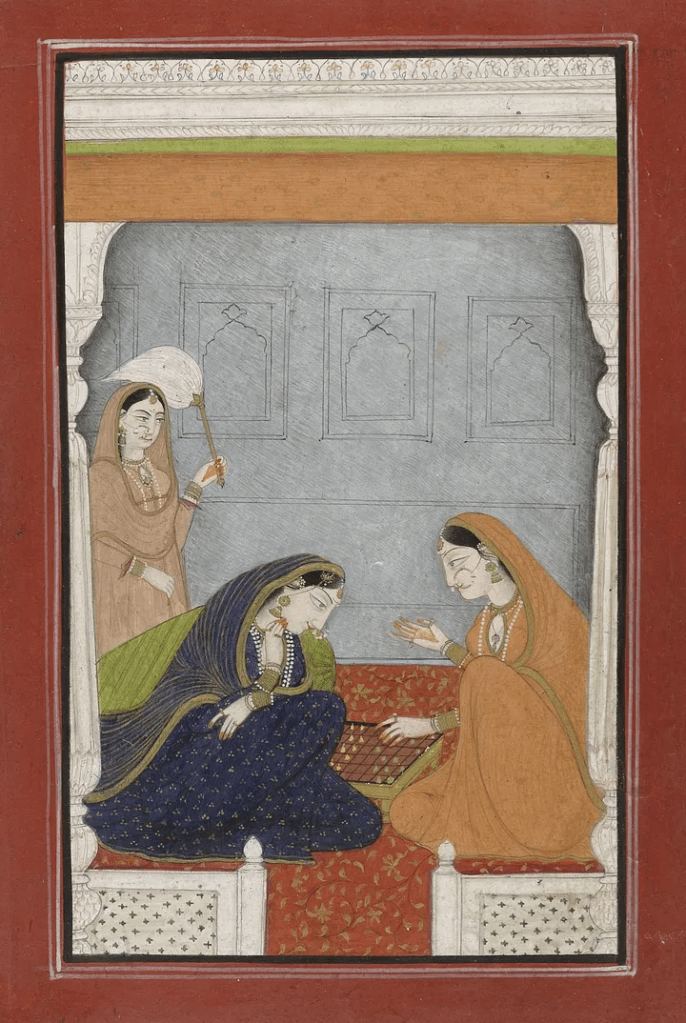
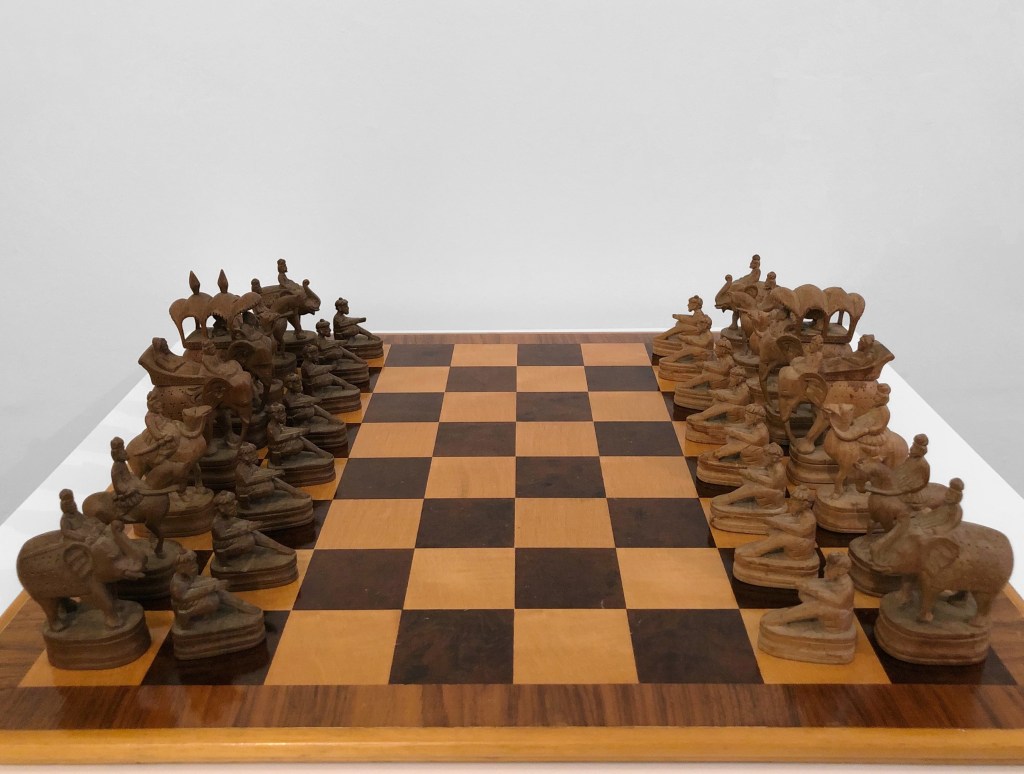
When it comes to strategy games, you could say that chess is the poster child. The 32 piece board game played on a black and white chequered board, is instantly recognisable around the world to avid players and non-players alike. Yet not many people are aware of the history encoded in its design. Believed to be derived from the Indian game Chaturanga, dating back to the 6th century AD, the game was originally designed as a simulation of ancient Indian warfare. Its pieces represented the four divisions of the Gupta Empire’s military: infantry, cavalry, elephants and chariots.
When chess made its way to Europe, certain pieces were adapted to reflect their new environment. Europeans interpreted the game through the structure of their own society at the time, the royal courts, which were closely intertwined with the Church. As a result, the elephant piece, now out of place within this new cultural landscape, was replaced by the bishop. Despite other changes, the king remained the most important piece in Chaturanga and Chess, suggesting that across both cultures, kingship was viewed as the ultimate seat of power, whose fall would bring down an entire nation, just as the loss of a King ends the game.
In this light, chess functions as more than a game. Its pieces capture the power structures of the societies that shaped it, inadvertently encouraging players to adopt the same ancient divide-and-conquer mindset during play. As the game travelled across cultures, each society reshaped it in its own image, and today, we participate in and bond over the culmination of that
at things like chess clubs. Seen this way, games function as artefacts of the cultures that cultivated them.
AFRICAN ARCHIVING
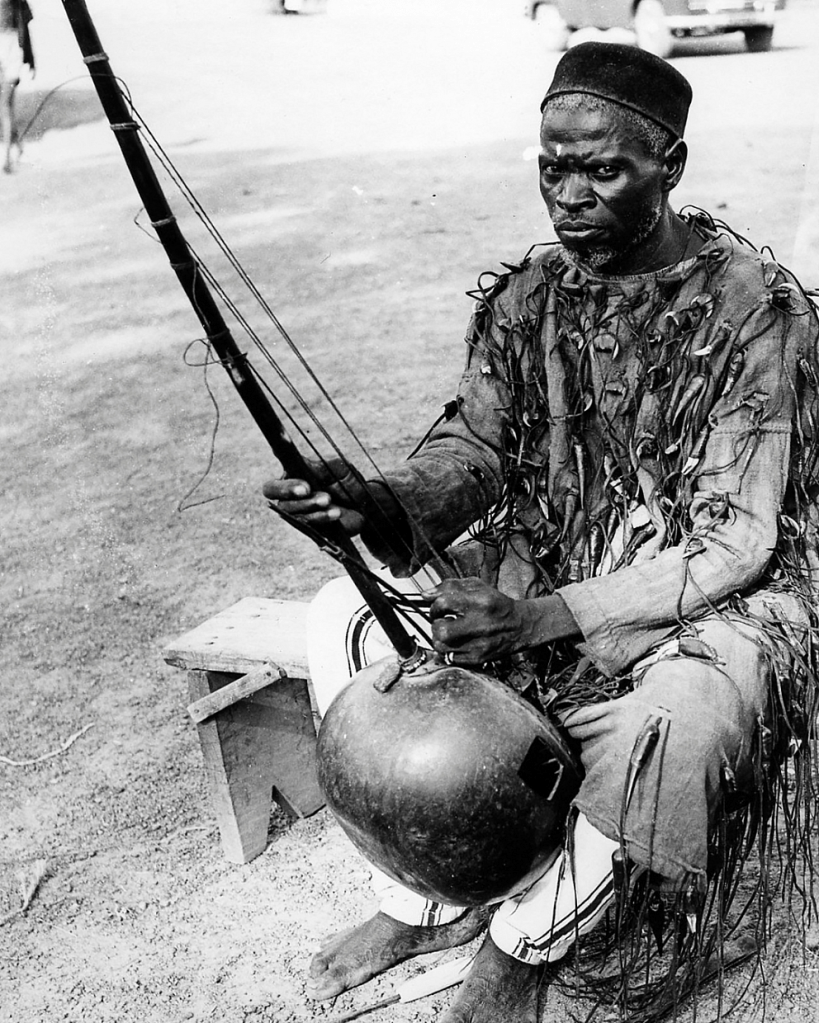
Experiential forms of record-keeping are not new to Africa. Across much of the continent, knowledge has been traditionally passed down through songs, spoken word, proverbs and performances. In West African countries such as Mali and Burkina Faso, this duty has been formalised in the role of Griots, designated oral historians who are trained to recite historical events, genealogies and moral lessons at significant cultural events, accompanied by instruments such as the Kora or Balafon. Such accounts are essential in maintaining collective memory, particularly where colonial narratives have sought to control a people’s history from an outsider’s perspective. Nonetheless, Griots are not immune to forgetfulness, and even when retold accurately, oral histories can be misinterpreted or lost as they pass from one generation to the next.
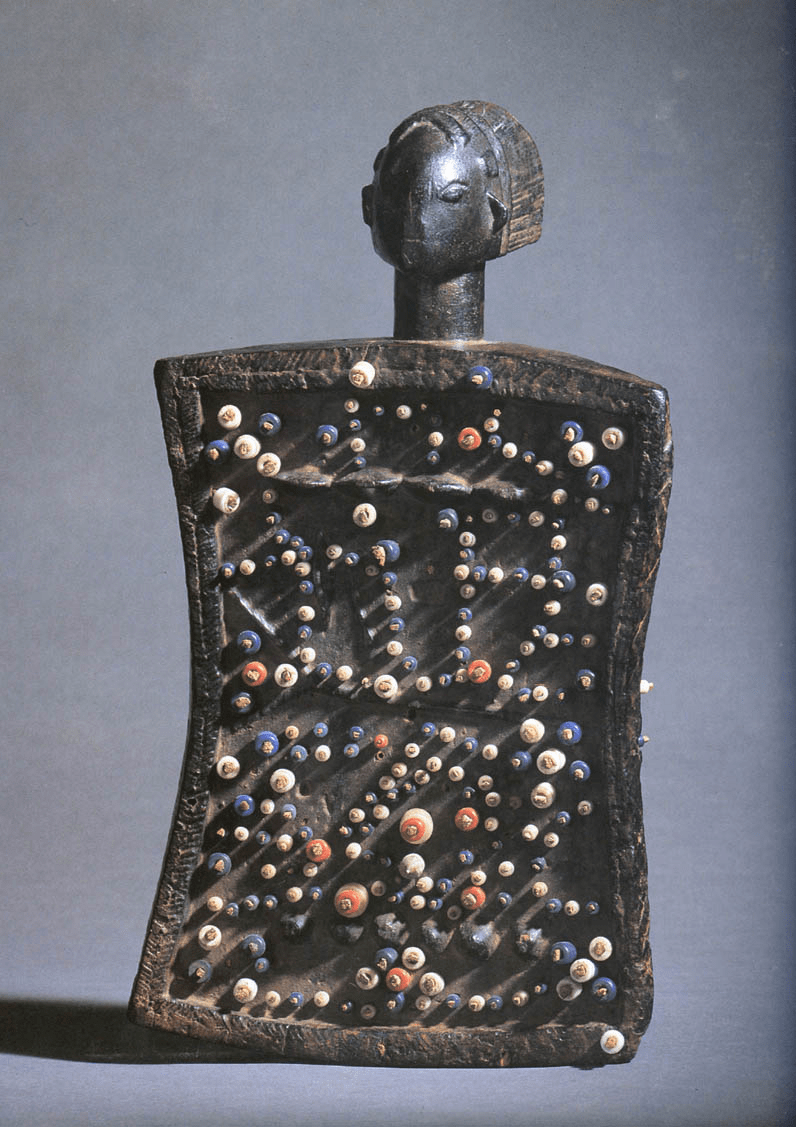
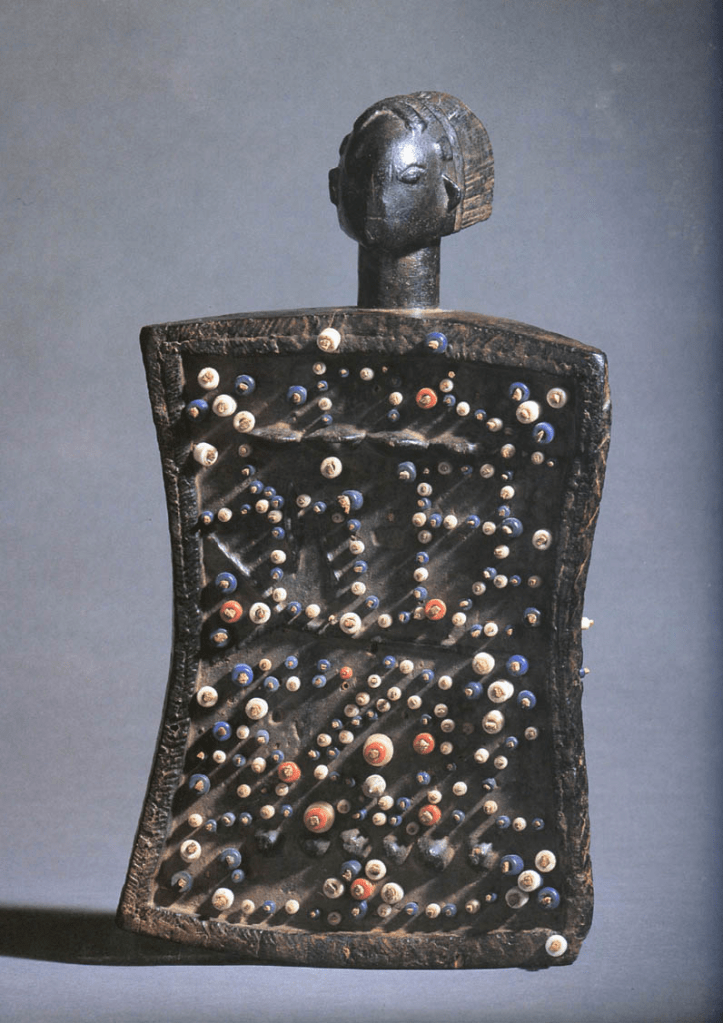
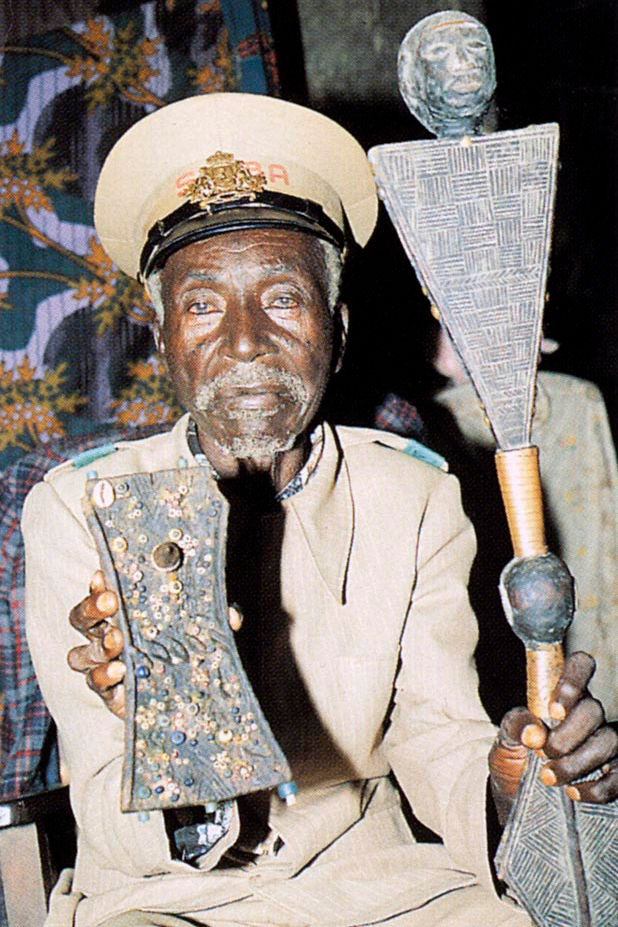
Elsewhere, in the Democratic Republic of Congo, an alternate form of experiential record keeping lies in the Lukasa. This tactile memory board functioned as a repository of knowledge, storing information on genealogies, sacred sites, royalty and the spiritual forces of the Luba people. Carved from wood in a rectangular or oval shape, the mnemonic device was decorated with beads and shells in specific patterns. However, only trained members of the secretive Mbudye “Men of Memory” society could interpret these configurations. As a result, while history was preserved in an interactive way, access to that knowledge remained restricted.
Ayo’s hidden message
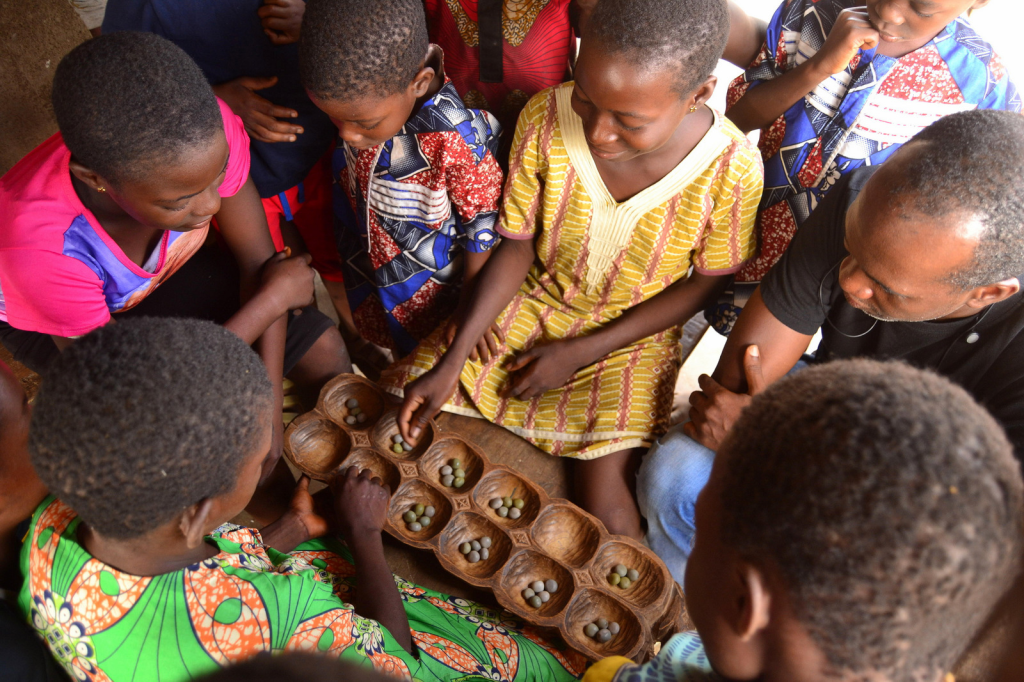
Ayo is one of the oldest traditional African games still played today. As the game travelled around the world, it adopted different names – from Ayo in Nigeria and Oware in Ghana, to Warri in parts of the Caribbean and Kalah in the United States – but the core rules remained largely the same. Ayo is played by two people using a hand-carved wooden board containing 12 pits containing 48 seeds or stones in total. The winner is the player who captures the most seeds.
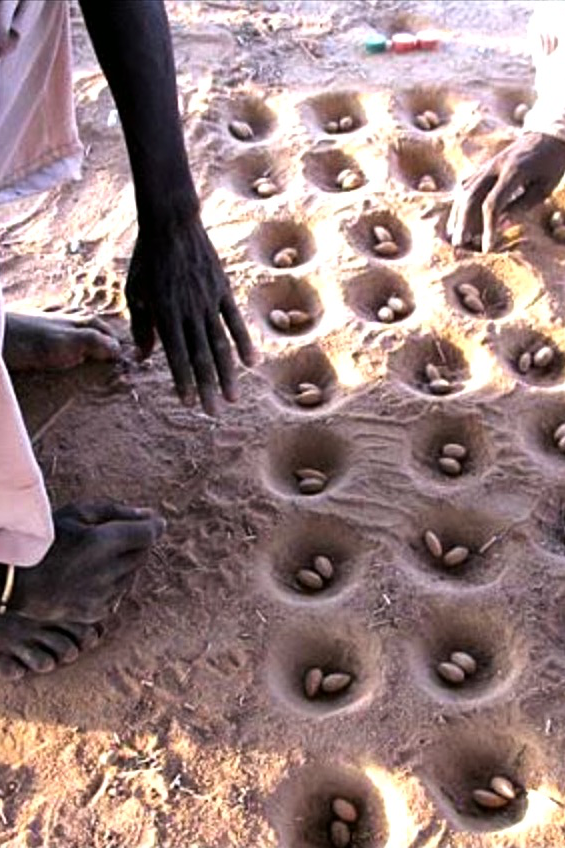
While its original creator is unknown, the structure of the game offers subtle clues about the culture in which it emerged. The act of sowing and redistributing seeds suggests roots in an agricultural economy, typical of many West African societies. It also reflects a resourceful material culture, as the seeds used in Ayo are not so distinct that they cannot be replaced with accessible alternatives such as pebbles, beans or kernels. This adaptability may explain why the game spread so widely across Africa and the diaspora. Jawara, an Antiguan teacher and maker of the game interviewed by SaharaTV, theorised that the game’s roots and uptake in Antigua may be because it could be played discreetly: ‘…you could dig holes in the ground and play… I grew up actually seeing that also’ referring to enslaved Africans playing the game on Antiguan plantations without drawing attention from slave owners. In this context, the portable board design that is common today can be read as a symbol of the greater freedom that African people now have to play the game openly.
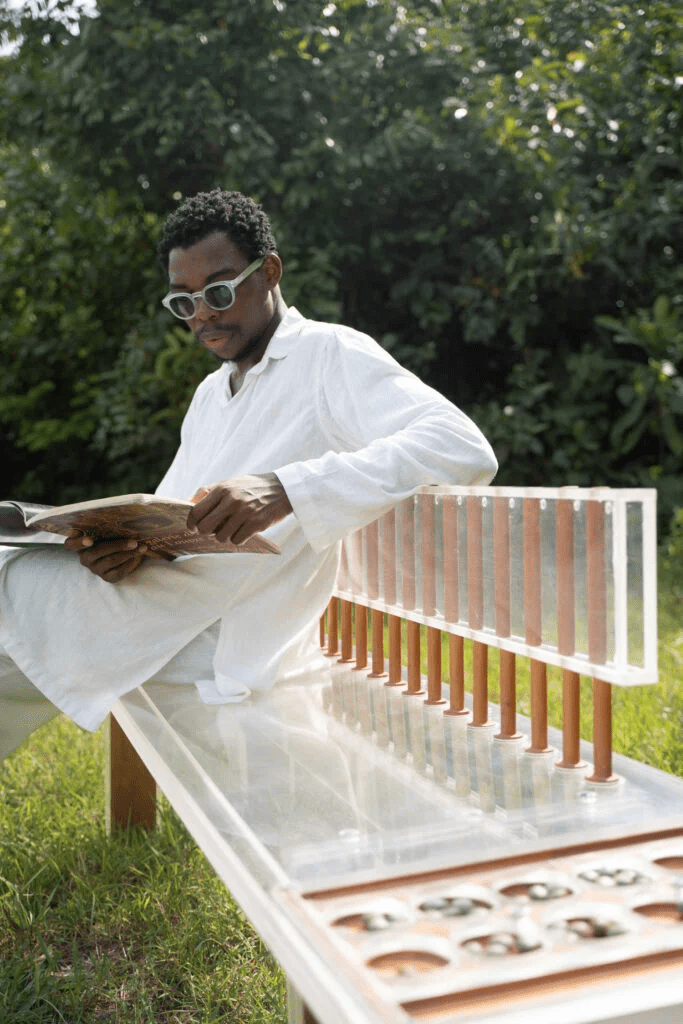

In recent years, Ayo has been reinvented by designers like Yinka Ilori and Josh Egesi with stylistic changes that reflect the modern palette and lifestyle. Egesi, who created ‘The Ayo Bench’ noted ‘Design is a form of cultural documentation’ (Wallpaper* publication, 2024).
Admittedly, the historical insight derived from Ayo is not as explicit as in games such as Chess and Chaturanga. And the cultural clues embedded in all three games cannot replace the need for written record-keeping and formal archival publications. However, record-keeping through games can make history more accessible, as game rules supersede language & literacy barriers.This raises an interesting question: how can today’s African cultural and political climate be authentically captured through contemporary game design?
relooted
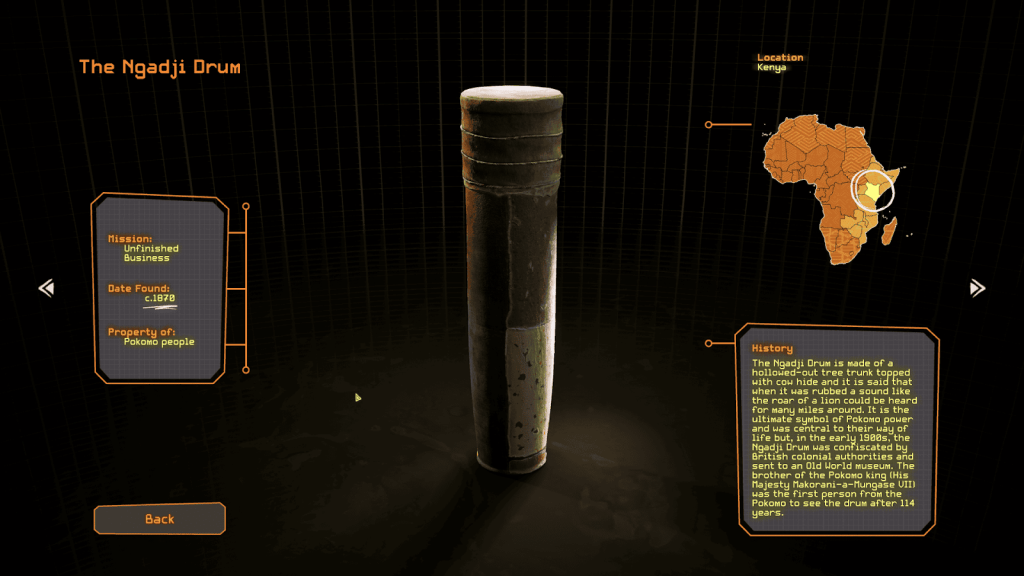
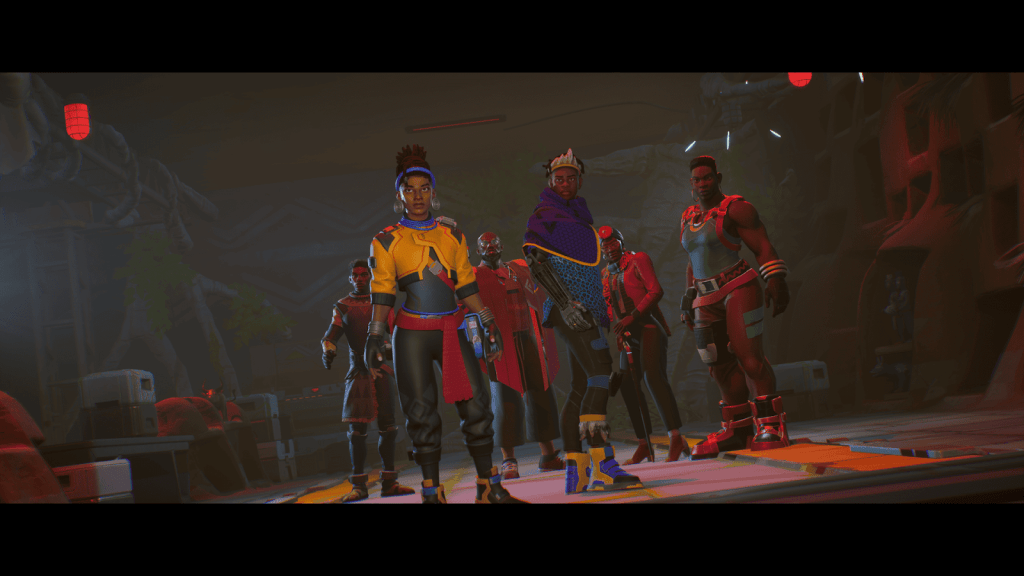

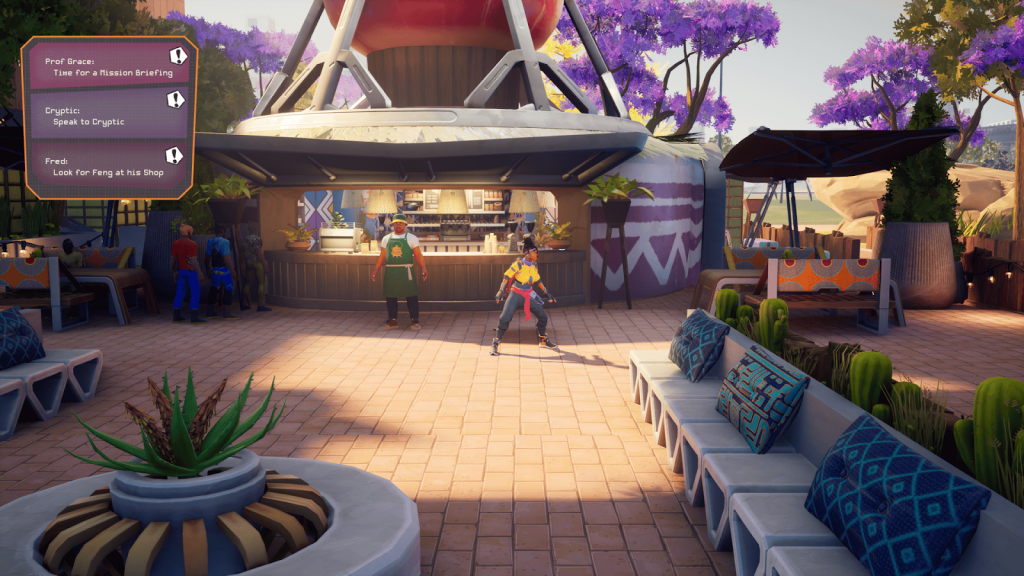
Today, digital games continue this tradition. Relooted is a South African video game released in February 2026 that allows players (re)loot African artefacts from Western museums which were stolen during colonial rule, including an Asante mask from Kumasi and the skull of the Tanzanian king Mangi Meli. The game was created by a team from more than 10 African countries and developed by the studio Nyamakop. Its main character is Nomali, a South African sports scientist and parkour expert.
According to the game’s official website, players are tasked with planning and executing heists to retrieve these artefacts. Missions involve solving puzzles, recruiting teammates with specialised abilities and escaping unscathed. Set in an Afrofuturist landscape, the game’s hideout is located in South Africa and offers a glimpse of a future Johannesburg. In total, players can recover 70 artefacts that exist in real life, which all hold deep cultural, historical, or spiritual significance to the communities they were taken from.
What particularly stood out to me was the developers’ efforts to hire voice actors from the same countries as the characters in Nomali’s team. Considering the frequent misrepresentation of various African accents in Western media, it is significant that the accents and speech patterns heard in the game, inadvertently become an audible record of today’s African voices.
This game captures the growing global demand for the reparation of African cultural artefacts. According to a report commissioned by French President Emmanuel Macron, as much as 90% of Sub-Saharan Africa’s cultural artefacts are outside the continent, mostly in European museums. Although some institutions have begun returning items, many still refuse to comply. One of the most prominent cases is that of The Benin Bronzes, looted by British soldiers from the Kingdom of Benin in 1897. Despite holding over 900 of these objects The British Museum has resisted returning them to Nigeria.
Relooted reframes this political debate as an interactive experience, placing the act of repatriation in the hands of the player. In this way, the game sheds light on the frustration felt by many Africans toward Western governments and institutions, as well as the wider scepticism towards their involvement in African affairs. Even the language of the game reflects this perspective. Europe and the United States are intentionally referred to as “The Old World” and “The Shiny Place”, illustrating the growing disillusionment of countries once viewed as the land(s) of opportunity.
Overall, Relooted functions as a living archive of the political tensions and cultural debates sweeping through social media and dinner table conversations today. It captures the sense of urgency surrounding restitution, the frustration with institutional pushback and a burgeoning belief that the future of African cultural heritage must be defined by Africans themselves. As Nyamakop’s chief executive Ben Myres describes it, the game offers players ‘a utopian feeling of what it might be like when these artefacts finally come home’. With reports that Africa’s gaming industry is predicted to reach $28 billion in 10 years (Business Day Nigeria, 2025), it seems that games like Relooted may attract a new generation of players who, frustrated by their limited influence over real-world politics, might turn to interactive media to imagine a more hopeful outcome, or simply immerse themselves in cultural gameplay.

CONCLUSION
In a world where written publications are heralded as the most reliable form of archival research, play can seem like a waste of time. Yet play is fundamental to how we learn, innovate, observe and make sense of the world. Games are an underutilised medium for record-keeping and can be used to document the lives and perspectives of people, especially those whose voices are often ignored by society. The next time you bond with friends over a card or board game, take a moment to consider what its design reveals about the culture it was created in and how that compares to society today. As one of the most celebrated scientific minds, Albert Einstein, once said, ‘Play is the highest form of research’.
Reference List
- The Ancient Game of Chaturanga: the Indian Origins of Chess | https://hinduaesthetic.medium.com/the-ancient-game-of-chaturanga-indian-origins-of-chess-9cec88548ad0
- Chaturanga | https://en.wikipedia.org/wiki/Chaturanga
- Inside West Africa’s Groit Culture | https://playingforchange.com/articles/inside-west-africas-griot-culture-prince-diabaté-marks-park
- Luba chief displays a lukasa memory board (1989) | https://exhibitions.psu.edu/s/african-brilliance/item/3344
- Memory Board (lukasa) | https://www.learner.org/series/art-through-time-a-global-view/history-and-memory/memory-board-lukasa/
- Children gather around a game of Ayo (2018) | https://commons.wikimedia.org/wiki/File:Children_gather_around_a_game_of_Ayo.jpg
- Mancala| https://www.ludozofi.com/home/games/mancala/
- Relooted-Nyamakop | https://nyamakop.co.za/relooted/
- Josh Egesi | https://interiordesign.net/designwire/10-questions-with-josh-egesi/
- https://assets.kpmg.com/content/dam/kpmg/ng/pdf/2025/02/2025%20Africa%20Games%20Industry%20Report.pdf
 The ANS Archives

Leave a comment