

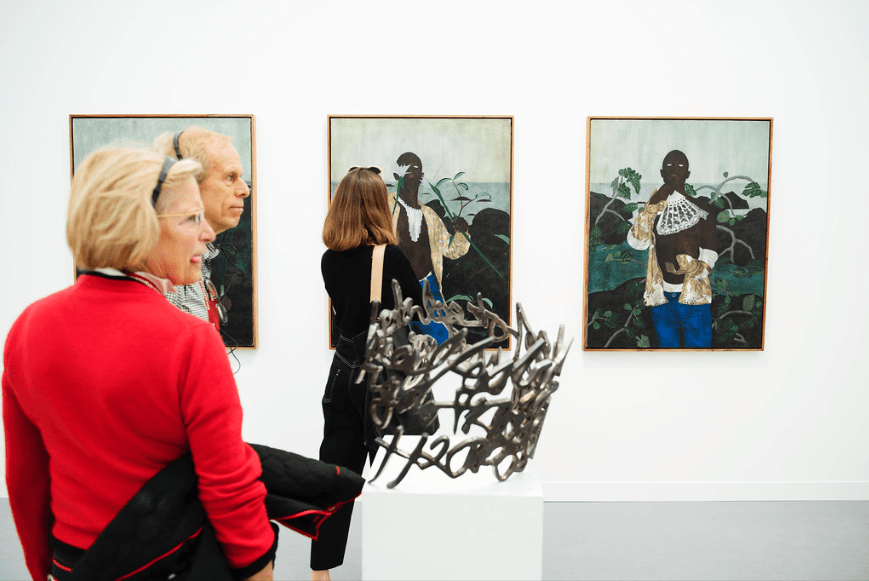
Walk into any modernist art gallery in London, New York, or Tokyo, and you’re likely to be met with the same sight: artificial light glaring from high ceilings, hospital-white walls and spotless neutral floors. The space feels bland, interrupted only by sparsely arranged canvases and the hum of quiet conversations. For a house of creative expression, it all feels curiously clinical.
While the precise origins of the white cube are unclear, it was popularised in the early twentieth century due to the rise of abstract art. Collectives such as De Stijl and the Bauhaus chose to exhibit their work on white walls to minimise distraction and contrast with the vivid colour and geometric shapes that characterised their work. Also, as temporary exhibitions became more popular, a neutral background enabled smooth transitions between works.
Across the Atlantic, this aesthetic was cemented on a global scale in 1929 at the Museum of Modern Art (MoMA) in New York, by its first director Alfred Barr, who wanted the visual impact of each piece to speak for itself. As Andrew McClellan, professor of art history at Tufts University notes, “By the time you get to the ’50s, if not earlier, there’s a complete crossover from the white cube at MoMA to commercial galleries in New York City, and then the apartments of the people who were buying the art from those galleries and then giving it to the museums.” And so the approach evolved and spread into the galleries we see today
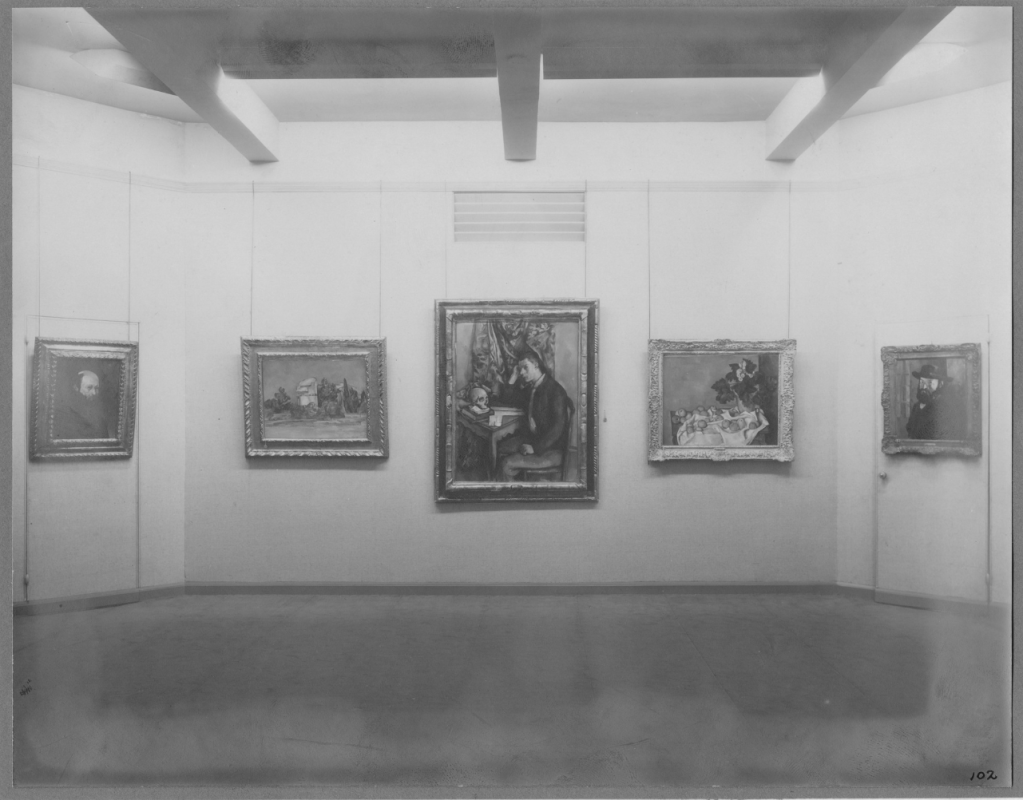
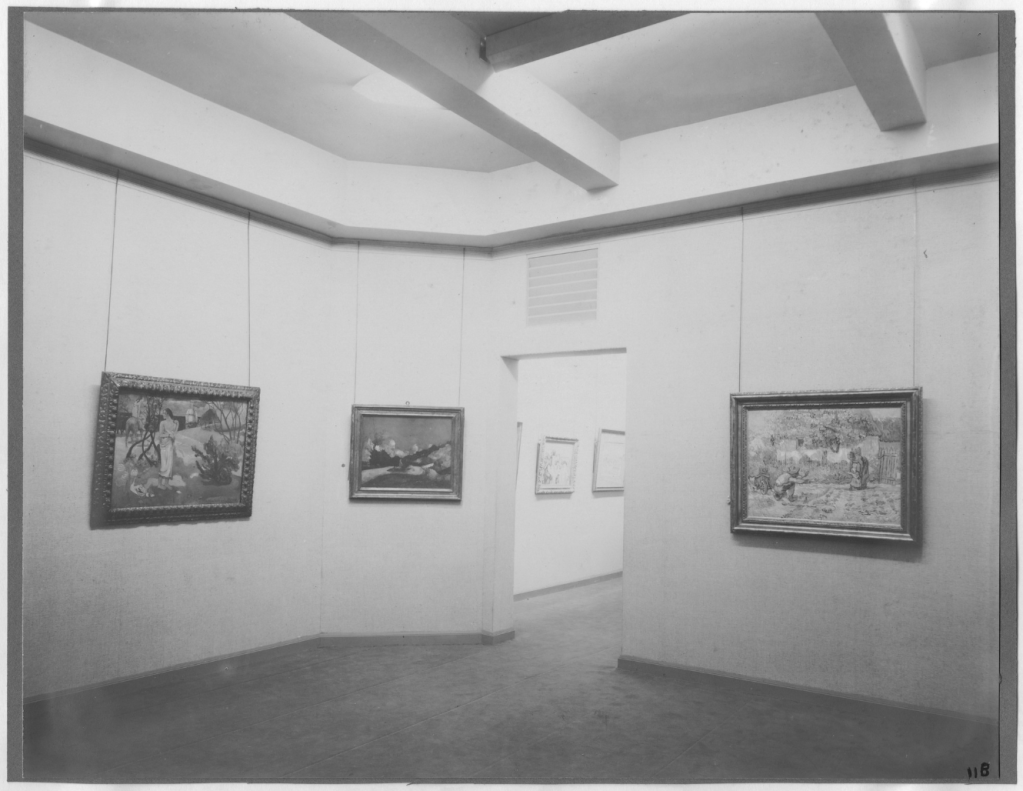
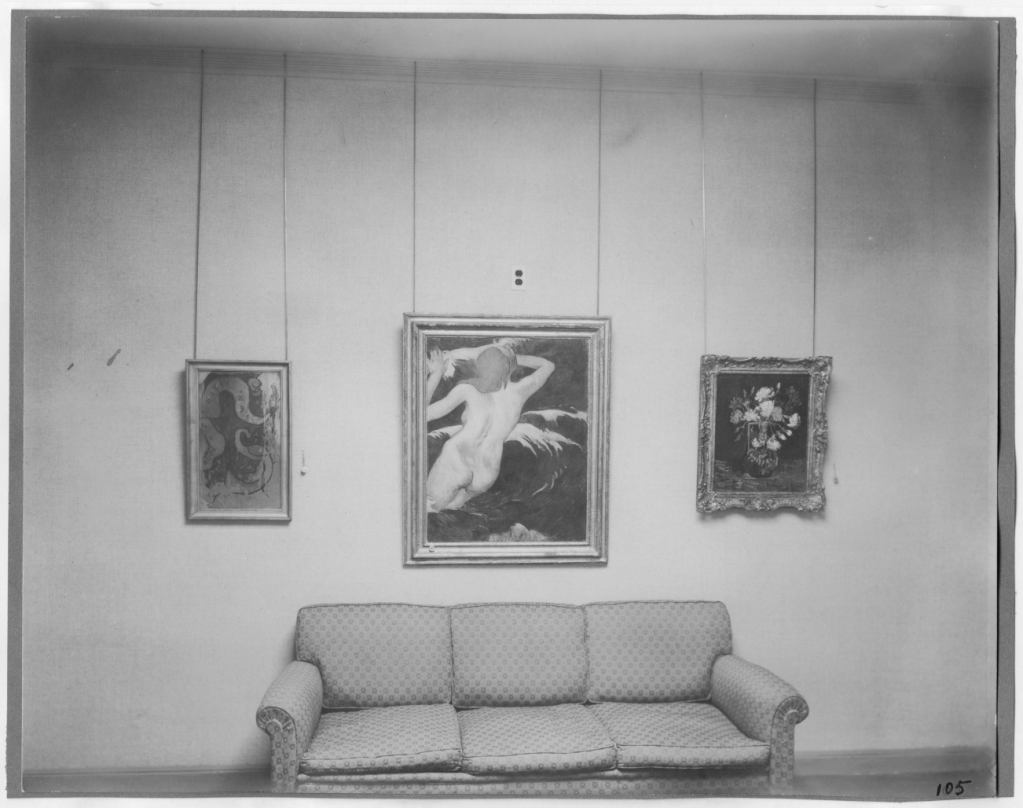
Ideology: Art as idol
It wasn’t until 1976 that the “white cube” label was introduced by Irish artist and critic Brian O’Doherty, in his three-part essay analysing how contemporary art is presented and the ideology behind gallery design. He used the term to criticise the modernist gallery as an environment deliberately closed off, where “the outside world must not come in”. O’Doherty equated the white cube to sanctuary spaces, such as medieval churches, Egyptian tomb chambers and prehistoric caves like Altamira in Spain. These places, like the gallery, protect images and objects from the passing of time and the changes of the outside world, preserving them like a time capsule. By extension, the artwork inside feels especially precious, elevated from simple pieces into artefacts that command reverence and awe.
In this way, the white cube doesn’t merely frame the art – it frames the viewer’s behaviour towards it. Gallery curators intentionally shape how we interact with art through visual cues that guide our bodies and our gaze: the rope barriers keep us at a distance, the glass case reminds us not to touch, the spotlight tells us where to look and the eye-level plinth says, this deserves your attention. Such choices raise questions about the original intention behind the white cube and what behaviours and hierarchies it seeks to enforce.
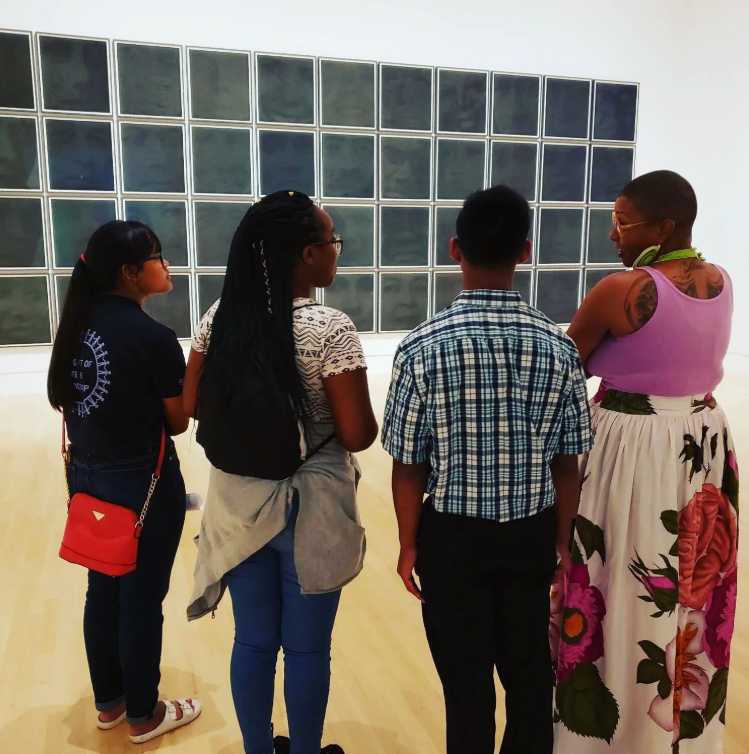
Gatekeeping in the gallery
While we may be accustomed to this mode of display, it doesn’t make it any less alienating. For many newcomers, the gallery is their first formal contact with the art world, so it is crucial that they feel inviting. It seems contradictory for some galleries to encourage restraint rather than interaction, considering art is inherently expressive. Preservation is important, of course, but when protective measures dominate the experience, they transform the gallery from a space for encounter into one of hierarchy and control. This mirrors the broader power dynamics of the art world, where traditional institutions have long dictated who creates, who gets seen and who gets access.
Brazilian artist Romero Britto reminds us that “art is too important not to share”. Yet historically, gatekeeping has been embedded in the art industry, often to the detriment of ethnic minority artists and their narratives. In this light, the white cube becomes a visual metaphor for the dominance of white artists, curators and museum boards that have shaped the industry. This connection is reinforced by the sociological definition of a “white space” – an institution defined by Eurocentric ideals and white occupancy, where non-white people often feel marginalised or unwelcome.
The first Black woman to work as a curator at MoMA, American artist Howardena Pindell, resigned in 1979 over institutional racism. Her breaking point was an exhibition titled ‘Ni**** Drawings’, a series of abstract charcoal works by a white male artist. When callers questioned the title, receptionists ignorantly answered, “the drawings are charcoal and charcoal is Black and Black is the N-word.” Outside the building, protesters gathered in outrage, but instead of addressing their concerns, the police were called and the doors were locked with employees still inside.
And so, the same institution that helped popularise the white cube aesthetic, also revealed its hand in upholding white ideals. Clearly, discrimination is embedded in museums and galleries at every level, filtering down from directors who sign off on it, to artists who exploit it, to the employees who defend it and the audience who engage in it. In such a biased ecosystem, the role of a Black curator is stripped of authority. Institutions therefore adopt a hollow form of representation, one that embraces Black curators, only to devalue their practice and deny them the recognition and support they deserve.
When Black curators leave these roles, the cycle of exclusion continues and white ideals are upheld. When Black curators stay, they often find themselves taking on unpaid labour to support the work of Black artists. Dr Kelli Morgan, curator and educator, recalls when a museum’s marketing department failed to promote a Black artist’s show to Black communities. She and her colleagues printed flyers themselves and went door to door, from businesses to homes, churches and schools. In response, the opening saw more Black visitors than the museum had seen in over five years. Despite this success, it is telling that change was powered by the extra work of Black employees, rather than the institution itself.
In the wake of the 2020 Black Lives Matter movement, Black African artists have gradually gained more representation in the UK, evidenced by periodic exhibitions such as the Hayward Gallery’s ‘In the Black Fantastic’ (2022) and the National Portrait Gallery’s ‘The Time Is Always Now: Artists Reframe the Black Figure’ (2024). Yet even when diverse institutions dedicate more permanent space for underrepresented artists, their survival depends on fair and non-discriminatory funding.
Iniva, the Institute of International Visual Art, was founded in London in 1994 to support culturally diverse artists and curators in the UK, funded by Arts Council England. Funding was cut by 43% in 2012 and by a further 62% in 2015, while nearby, Autograph ABP (Association of Black Photographers) received one of the largest increases. Critics argued that these cuts disproportionately affected Black and minority-led institutions already working with limited budgets.
Unfortunately, this is not an isolated incident. Public funding is often allocated by those outside the community, who may not fully realise the value of representation amongst artists. This instability reinforces patterns of selective support in the art industry. From curation to funding, it is evident that systemic change is slow and scattered, highlighting the need for long-term structural reform.
The future of the art gallery
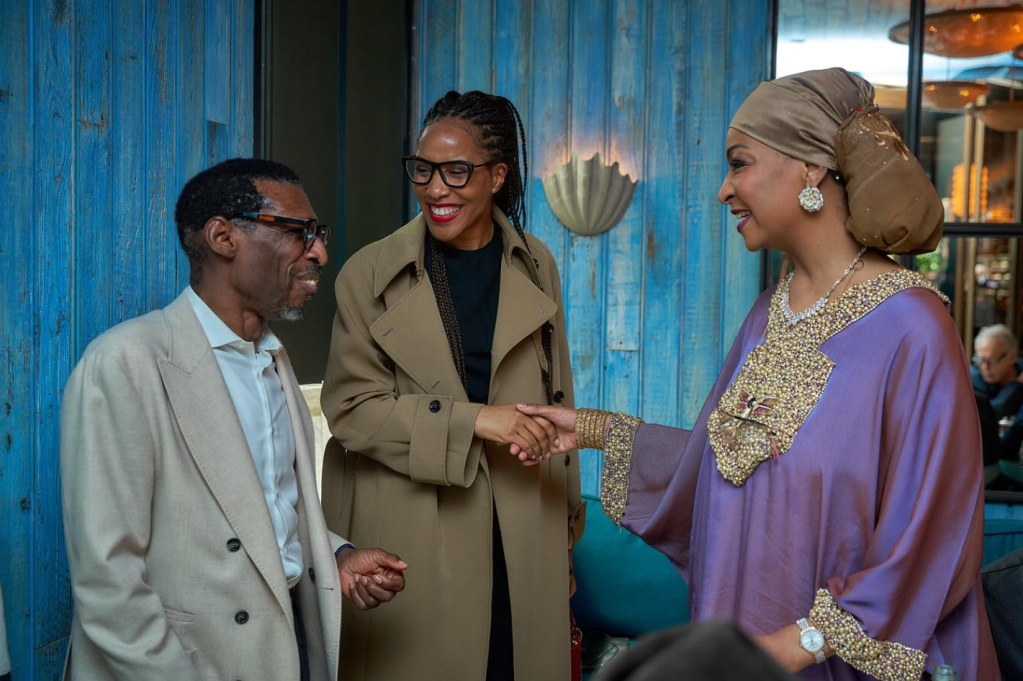
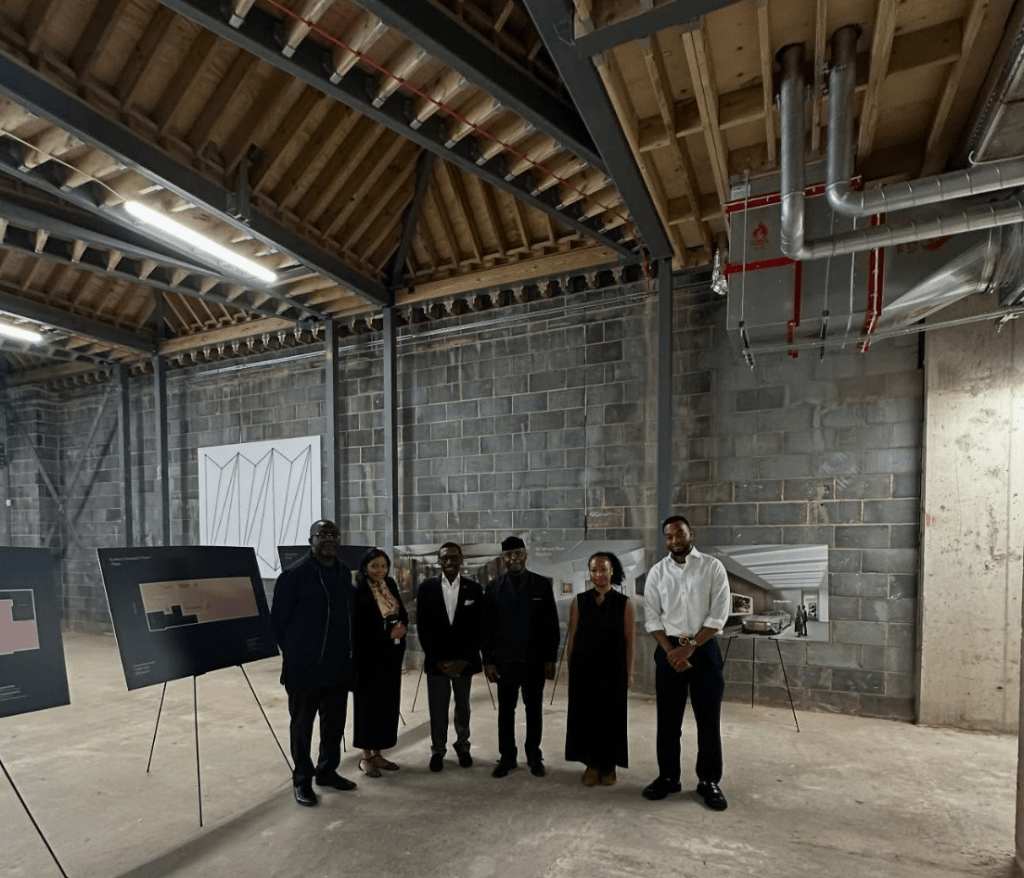
To cement African art’s rightful place on the global stage, the most sustainable solution may be Black-owned art institutions. Ownership creates the opportunity to showcase African and diasporic art holistically: physically, by showcasing it in dedicated galleries, spatially, in the design of the environment, and curatorially, in how exhibitions are experienced. The opening of new spaces such as The Museum of Modern and Contemporary African Art London (MOMCAAL), founded by Nigerian Art Asset Manager Olusegun Paul Andrew, grants an exciting opportunity to define a new curatorial style that counters the white cube.
Regardless of audience demographic, all art institutions should critically assess how well their interiors support both the artwork on display and the visitor’s experience. With the emergence of Bio art, NFT art and Intermedia, it is clear that traditional wall-and-frame displays no longer suffice. Given this evolution, galleries would benefit from collaborating with production designers, set designers and art directors. Each is skilled in transforming a concept into a cohesive visual environment that shapes the overall mood. In a gallery context, they can experiment with colour, scale, texture and light to craft an inviting display that complements the art. Unlike the white cube, this approach can immerse visitors and deepen their connection to the artwork.
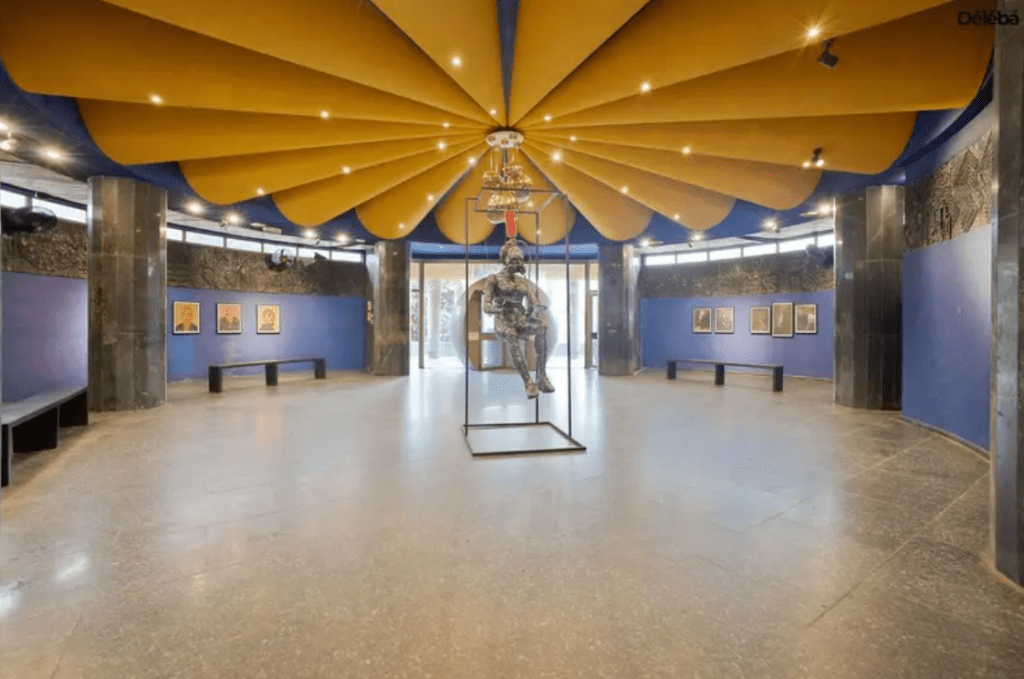
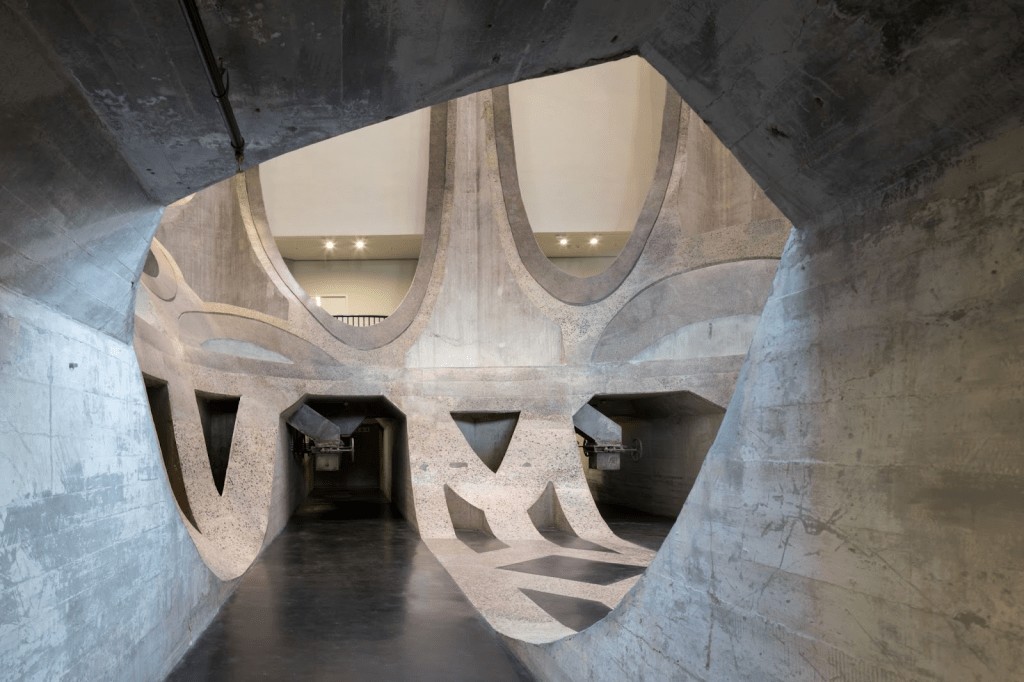
While industry-defining books such as ‘As Seen: Exhibitions that Made Architecture and Design History’ claim to document “some of the most important exhibitions of the 20th century”, they focus exclusively on America, Europe and Japan. Therefore, it is increasingly important to celebrate the African and diasporic artists and curators who are redefining what a gallery can be. In Lagos, Richard Vedelago’s newly opened Nahous Gallery (2025) merges vivid art deco interiors with the brutalism of the restored 1970s Federal Palace. In Brooklyn, Sunni Colón’s ‘Manifesto 1.0’ installation (2017) transformed a gallery into a multi-sensory environment, layering light, sound, and even scent. In South Africa, the Zeitz Museum of Contemporary Art Africa (2017) takes this further, where the entire architecture shapes visitors’ encounters with art. Its cathedral-like interior allows kaleidoscopic light to filter through the silo shafts and diamond-like windows of its concrete exterior, making the building itself an integral part of each exhibition. A fitting structure for the largest museum of contemporary African art in the world.
As public participation in museums and galleries grows, aspects of the white cube aesthetic feel outdated when compared to the inclusivity and immersion expected by visitors today. By reimagining galleries as stages for the celebration of art, rather than sanctuaries for its preservation, these spaces can evolve into dynamic, future-ready environments that inspire the next generation of curators to think outside the box. Or in this case, outside the white cube.
 The ANS Archives
Leave a comment